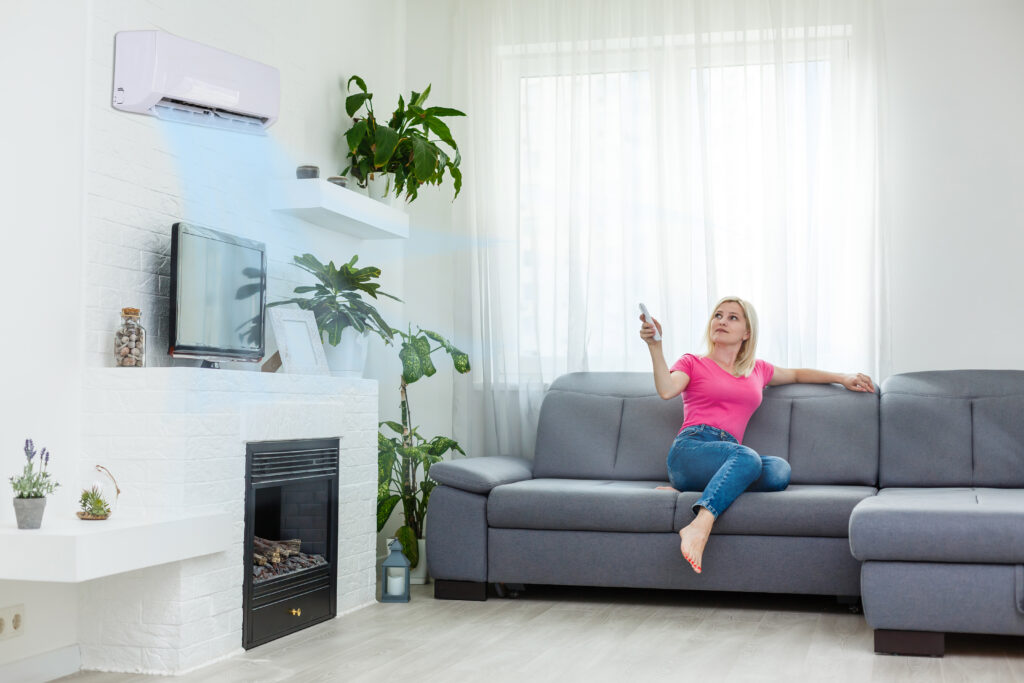
Choosing the right size split system is the quickest way to stay cool through a Melbourne summer without wasting energy or money. Too small and it never catches up. Too large and it short cycles, costs more to run, and wears out faster.
In this guide you will get clear rules of thumb for common room sizes, how insulation and sun affect capacity, when to request a formal heat load calculation, and whether a split or ducted system suits a small home or townhouse. You will also find straight answers to the most searched questions from Melbourne buyers.
Fresh Living Group installs and services leading brands including Daikin, Mitsubishi, Fujitsu, Panasonic, and Toshiba. We keep the advice brand neutral so you can choose with confidence. When you are ready, book a free
in‐home assessment and quote.
Quick sizing rules for Melbourne rooms
Every home is different, but these practical rules will get you very close for a typical 2.4 to 2.7 m ceiling:
- Bedroom, study, or small living up to 12 m2 with decent insulation and shading, 2.0 to 2.5 kW cooling.
- Medium bedroom or small open area 12 to 20 m2, 2.5 to 3.5 kW.
- Larger bedroom or compact living 20 to 30 m2, 3.5 to 5.0 kW.
- Standard living or open plan 30 to 40 m2, 5.0 to 6.0 kW.
- Bigger open plan 40 to 50 m2, 6.0 to 7.1 kW.
- Very large living 50 to 60 m2 with good insulation, 7.1 to 8.0 kW, more if sun exposed or high ceilings.
Adjust up if you have poor insulation, lots of west facing glass, or soaring ceilings. Adjust down a touch if the space is well insulated, double glazed, and shaded. Correct sizing helps efficiency and lowers bills. Right sized units run longer gentle cycles, which draw less power and reduce wear.
How big a room will a 2.5 kW or 5.2 kW air conditioner cool?
- A 2.5 kW split typically suits about 10 to 15 m2 in Melbourne, such as a bedroom or small study. In a hot west facing room you may need 3.2 kW.
- A 5.2 kW split usually handles around 25 to 35 m2, such as a modest living room or open dining area. If ceilings are higher than 2.7 m, step up to 6.0 kW.
These ranges assume average insulation and typical window areas. If in doubt, request a heat load check.
What size air conditioner do I need for a 2000 sq ft house?
- Two thousand square feet is about 186 m2. There is no single split size that covers a whole 186 m2 home unless you install multiple indoor heads or a ducted system. For a whole home in Melbourne with standard ceiling heights:
- Ducted, total cooling capacity often sits between 12 and 18 kW depending on insulation, layout, glazing, and zoned areas.
- Multi split or several single splits, you would divide the home by zones, for example 2.5 to 3.5 kW heads in bedrooms and 5 to 8 kW units in living areas.
- A formal heat load calculation is recommended at this scale. It ensures you do not overspend on capacity or under deliver on comfort.
How many mini splits do I need for 2000 square feet?
- For about 186 m2, many Melbourne homes end up with three to five indoor heads if choosing multi split, for example:
Three bedrooms at 2.5 to 3.2 kW each.
- One main living area at 6 to 8 kW.
- Optional second living or home office at 2.5 to 3.5 kW.
Layout matters. If doors stay open and airflow is good, you might cover two smaller zones with one well placed unit. If the home is compartmentalised or on two levels, more heads or a ducted solution may be smarter.
Split system vs ducted in small homes and townhouses
Split systems are usually cheaper to install room by room. They let you target the spaces you use most. They also provide easy control and excellent efficiency when right sized.
Ducted systems cost more upfront but can be elegant and quiet. In a single level townhouse with roof space and good zoning, ducted can be efficient if sized and controlled correctly.
Which is cheaper to run, a ducted or split system? For a single room, a split is almost always cheaper to run because you only cool that room and inverter splits are very efficient at part load. For whole‐home cooling,
modern ducted with zoning can be competitive, but correct design, duct insulation, and airflow balance are crucial.
When do you need a heat load calculation?
Ask for a formal load calculation when:
- You are sizing anything for open plan areas over 40 m2.
- Your home has high raked ceilings, large north or west glazing, or minimal insulation.
- You are planning multi split or ducted across 120 m2 or more.
- You have mixed uses, for example home office with equipment or a sunny top floor.
A good calculation considers orientation, window type and shading, insulation, air leakage, occupancy, and internal heat gains. It pays for itself by avoiding oversize purchases and reducing running costs.
What is the best AC in Australia?
There is no single best brand for every home. Fresh Living Group installs and services Daikin, Mitsubishi, Fujitsu, Panasonic, and Toshiba. All five offer reliable inverter technology, quiet operation, and high star ratings.
- Differences show up in control options, Wi‐Fi integration, filter systems, sound levels, and after sales support. Focus on:
- Sizing accuracy and star ratings.
- Noise levels for bedrooms.
- Controls you will actually use, including Wi‐Fi or smart thermostat integration.
- Warranty coverage and local parts support.
How long does AC installation typically take?
- Single back‐to‐back split, often 3 to 6 hours when the indoor and outdoor units sit on opposite sides of the same wall.
- More complex runs, wall brackets, or condensate pumps, allow 6 to 8 hours.
- Multi split with two to four heads, usually one full day, sometimes two.
- Ducted systems for small homes, normally one to two days depending on access and zoning.
- We include a neat finish, pressure testing, electrical compliance, and commissioning so your system performs as promised.
Sustainability counts with sizing
Right sized systems draw less power, hold set temperatures without hard cycling, and last longer. Pair that with smart controls, good sealing, and shading for even lower bills. If you are considering smart control options, our team also handles Vermont smart thermostat installation for integrated comfort and efficiency.
Example sizing scenarios for Melbourne
- South facing 12 m2 bedroom with decent curtains, 2.5 kW split for quiet, efficient nights.
- 8 m2 living with afternoon sun and 2.7 m ceilings, 5.0 to 5.6 kW, step to 6.0 kW if glass area is large.
- 2 m2 open plan with good insulation and shading, 6.0 to 7.1 kW split or a zoned ducted system if you want whole‐home flexibility.
If you are in Doncaster and want seasonal care once installed, our team provides reliable heating and cooling doncaster support to keep performance high year round.
Ready for a tailored recommendation?
Every home is unique. A short visit lets us confirm the room loads, check electrical capacity, and plan a tidy install location. Fresh Living Group has been helping Melbourne households since 2002 with efficient, durable systems from trusted brands. Book your free in‐home assessment and quote today.
If you are comparing brands or planning a multi head layout in the inner east, we also handle new air conditioning installations with the same careful, energy‐smart approach.
Summary
- Use simple m2 rules to shortlist capacity, then adjust for insulation, glass, and ceiling height.
- A 2.5 kW split suits about 10 to 15 m2. A 5.2 kW split suits roughly 25 to 35 m2.
- For about 186 m2, expect several splits or a ducted system, and request a heat load calculation.
- Splits are cheaper to run for single rooms. Zoned ducted can make sense for whole‐home comfort if designed well.
- Choose from proven brands, but prioritise size, efficiency, noise, and support.
- Typical installs take 3 hours to 2 days, depending on complexity.
Get the size right, enjoy cooler summers, lower bills, and a system that lasts. Fresh Living Group is here to help with friendly advice and quality installation across Melbourne.